


Color Mania Quiz guess logos
4.219.82K Reviews
App Specs
- Version
- 3.1.0
- Updated On
- License
- Free
- Downloads
- 5,000,000+
- Developer
- Unico Games
- Categories
- Trivia
- Platform
- Android
Screenshots
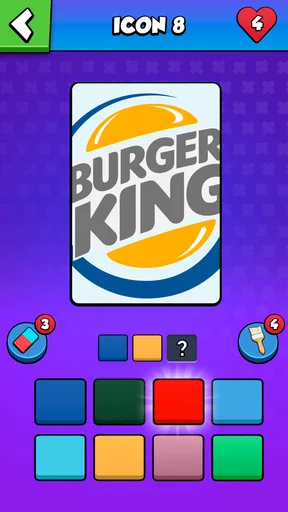
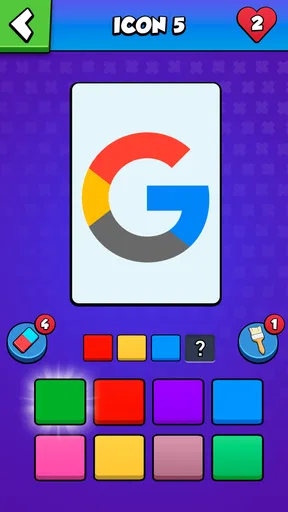
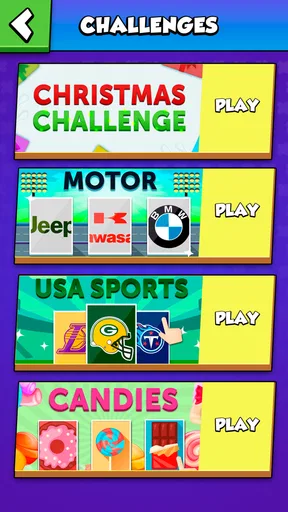
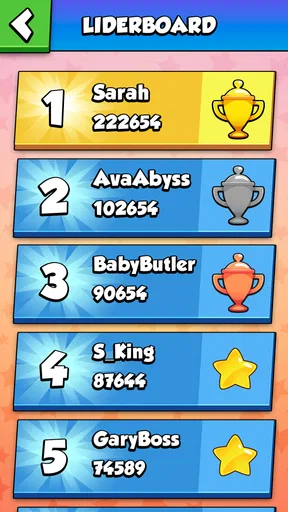
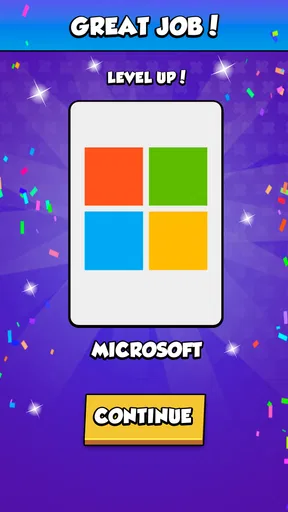
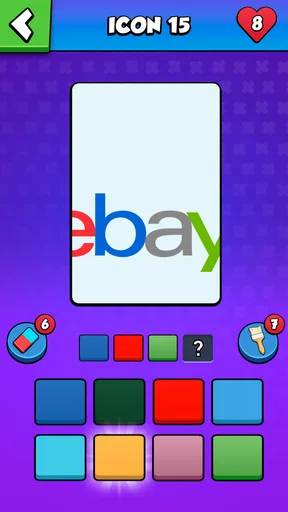
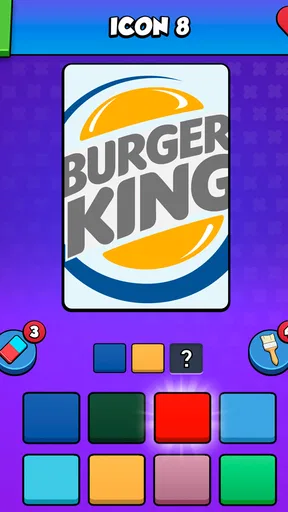
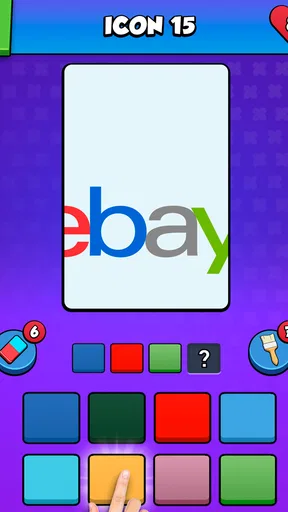
 Analysis by AppCompare
I spent time with Color Mania Quiz as a quick-fire trivia game built around visual recognition. The basic appeal is easy to understand: you look at a logo or color-based clue, then try to identify the answer before moving on. It is the kind of game I can open for a few minutes while waiting for an appointment, but it also has enough progression pressure to encourage a longer session when I want to improve my position on the leaderboards.
What makes it more interesting than a simple collection of logo flashcards is the combination of recognition, memory, and confidence. Some answers arrive instantly because the shape or color is familiar. Others look obvious until I notice a small detail that sends me toward the wrong choice. That uncertainty gives each round a pleasant little tension without making the game feel complicated.
How the current version feels to play
The game comes from Unico Games and sits firmly in the trivia category rather than trying to be a broad puzzle platform. Its store summary focuses on guessing colors, working through hundreds of logo quiz challenges, and climbing leaderboards. In practice, that creates a straightforward loop: inspect the visual prompt, make a guess, learn whether I was right, and continue toward the next challenge.
I like that the concept is immediately readable. There is no long tutorial to absorb and no elaborate control scheme to master. The main skill is recognition, with a second layer of deduction for moments when the logo is incomplete, stylized, or deliberately less familiar. That makes it approachable for casual players while still giving experienced quiz fans a reason to keep testing themselves.
The free entry point is important here. I can try the core experience without paying upfront, which makes it easy to recommend for a shared phone, a family game night, or a short personal challenge. There are in-app purchases ranging from around two dollars to around fifty dollars per item, so I would treat optional spending carefully rather than assuming every player will want to buy extras.
The age rating is Everyone, and that matches the simple presentation and general-purpose trivia format. I would still use normal judgment when handing any game to a child, especially if the device allows purchases, but the subject matter itself is accessible. It works particularly well for players who enjoy brand recognition, visual puzzles, and quick questions more than long narrative adventures.
The game has been available since August 15, 2013, which gives it a much longer history than many disposable quiz apps. Its current version is 3.1.0, and that matters because a long-running title has to remain understandable to returning players while keeping its basic idea intact. I see this version as a mature take on the original formula rather than a complete reinvention.
Worth Reading Before You Choose

EA SPORTS FC Mobile 26 Is a Bigger Football Game, but It Takes Time

Flipboard Shows What News Apps Must Do Beyond the Feed

Switching to Android Auto Means Rethinking Your Driving Routine

Google Calendar Makes a Crowded Week Easier to Manage

Ludo King Makes the Most of the Minutes Between Plans

Baby Panda World Brings Quick Play to Modern Phones, but Its Game Library Feels Busy
The rhythm of a typical session
A realistic use case is a short commute or a coffee break. I can start with the intention of answering a handful of clues, then stop without losing the entire point of the session. That short-session friendliness is one of its strongest qualities. It does not demand the uninterrupted attention that a strategy game or story-driven adventure usually needs.
There is also a good social angle, even when I am playing alone. I can show a difficult logo to someone nearby and turn one question into a quick debate. One person may recognize the color immediately while another remembers the shape but not the name. Those moments make the game more useful as a casual conversation starter than its simple interface might suggest.
My practical tip is to avoid answering too quickly just because a color feels familiar. I get better results when I first identify the broad visual pattern, then check the letter count or visible shape, and only afterward commit to an answer. That small pause reduces careless mistakes and turns the game into a memory exercise instead of a pure reflex test.
What the game does well
The strongest part of the experience is the low barrier to entry. A player does not need prior knowledge of trivia formats or a long explanation of rules. The visual prompt provides the context, and the answer attempt provides the challenge. That clarity is valuable when I want something entertaining rather than another system to learn.
The logo format also creates variety naturally. Familiar symbols reward quick recall, while less obvious ones encourage elimination and discussion. I find that more satisfying than a quiz made entirely from random factual questions, because the image gives me something concrete to analyze. Even when I fail, I usually understand why the answer was difficult.
The leaderboard element adds a competitive target for players who need more motivation than simply finishing questions. I would not call it essential, though. The game remains enjoyable as a personal quiz, and players who dislike rankings can focus on improving recognition rather than comparing themselves with others.
Another useful strength is its suitability for uneven knowledge levels. A beginner can guess based on color and silhouette, while a more experienced player can rely on brand memory and visual details. That makes it workable for mixed groups, although the difficulty may feel inconsistent if one player happens to know many of the featured logos and another does not.
Where the experience needs patience
The same focused design that makes the game accessible can also make it feel repetitive. If I play for too long in one sitting, the central action begins to blur together: inspect, guess, confirm, repeat. I get more enjoyment by treating it as a series of short sessions instead of trying to exhaust the available challenges at once.
Logo knowledge is another natural limitation. A wrong answer does not always mean I misunderstood the clue; sometimes I simply have never encountered that logo often enough to remember it. Players who prefer questions with a clear logical path may find visual familiarity less satisfying than a conventional general-knowledge quiz.
The color-focused angle can create a similar issue. Color is useful as a recognition aid, but it is not equally informative for every player or every clue. I would not choose this game as my main option if I wanted wordplay, calculation, geography, or deep factual questions. Its appeal depends on enjoying visual association first.
Optional purchases are worth keeping in mind as well. Because the game is free to start but includes paid items, I would check the purchase flow before letting a child play unsupervised. I also prefer deciding in advance whether I am comfortable spending money to move forward or customize the experience, rather than making an impulse purchase after getting stuck.
How it has evolved and who should play it
The version history gives the game a useful sense of continuity. A title released in 2013 and still presented in version 3.1.0 has had time to settle into its identity. I would not approach it expecting the constantly changing structure of a live multiplayer game. Its value is in the established quiz loop, the accumulated challenge set, and the familiarity of returning to a format that does not need much explanation.
For existing players, that stability is mostly positive. Someone who enjoyed the basic logo-guessing idea years ago can return without having to relearn an entirely different game. At the same time, players hoping for a dramatic change in how trivia works may find the evolution modest. The current state feels like refinement around a known concept, not a new genre experiment.
The audience size suggests that the format has broad reach: the game has passed around five million installs, with an average rating of 4.2 from roughly one hundred sixty thousand ratings. I read that as evidence of sustained interest rather than a guarantee that every player will enjoy it. The large audience makes it easier to imagine finding friends who understand the appeal, but personal taste still matters more than popularity.
It also has around twenty thousand written reviews, which is useful context for a prospective player because a game with this much feedback has clearly been tried by more than a tiny niche. I would still judge it by the actual loop. A popular logo quiz remains the wrong choice for someone who wants long-form questions, rich explanations, or a competitive format built around live opponents.
Choosing it over other trivia options
Compared with a general-knowledge quiz, this game is more visual and less dependent on remembering dates, definitions, or obscure facts. That makes it easier to pick up when I am tired, and it gives me something to inspect rather than asking me to retrieve an answer from a blank screen. The trade-off is that success depends heavily on exposure to logos and familiarity with visual branding.
Compared with a crossword or word puzzle, it offers less room for constructing an answer step by step. A crossword can reward vocabulary and deduction across intersecting clues; this game usually asks for a faster recognition decision. I prefer the logo quiz when I want immediate feedback, but I would choose a word puzzle when I want a slower, more analytical session.
Compared with a multiplayer trivia app, it is better suited to solitary play or informal group guessing. I do not need to coordinate a match or wait for another player to be available. The downside is that leaderboard competition may not provide the same excitement as a direct head-to-head contest. Players who thrive on live rivalry should look elsewhere for their main competitive fix.
One of my more useful strategies is to separate mistakes into two groups: logos I genuinely do not know and logos I recognized but answered too quickly. The first group needs exposure and memory; the second needs a slower process. Keeping that distinction in mind makes repeated play feel more productive, because I can work on accuracy rather than simply chasing a higher score.
Who will get the most from it
I would recommend it to casual trivia fans, people who enjoy brand-spotting, and families looking for a simple guessing game that can be passed around. It is also a good fit for anyone who likes measurable progress but does not want a complicated progression system. The free starting price lowers the risk of trying it, while the Everyone rating makes the format broadly approachable.
I would be more hesitant to recommend it to players who need constant novelty, detailed educational explanations, or a strong story. It is not the best choice for someone who wants every answer explained in depth, because the satisfaction comes mainly from recognition and correction. It may also frustrate players who dislike questions where their knowledge of popular logos determines the outcome.
For a parent, I would frame it as a short shared activity rather than an unlimited solo distraction. Ask the child to explain what visual detail led to an answer, and the game becomes a small exercise in observation and recall. For an adult playing during breaks, I would keep sessions brief and disable or protect purchases if the device is shared.
What I would watch going forward
The most important thing for the game’s future is maintaining freshness without abandoning the simple visual identity that makes it approachable. New challenges would matter most when they test observation in different ways rather than merely adding more of the same prompt. I would also value a clear balance between familiar logos and genuinely learnable difficult ones, so mistakes feel instructive instead of arbitrary.
I would pay attention to how the leaderboard experience continues to serve both competitive and relaxed players. Rankings can motivate repeat visits, but they should not overshadow the basic fun of solving a clue. The best balance would let me chase a stronger position when I feel competitive while still making a quiet, no-pressure session worthwhile.
Purchase design is another area I would monitor. Since the game is free with optional items, the experience is strongest when spending remains a choice rather than a source of pressure. A player should be able to enjoy the central quiz loop without feeling that every mistake is pushing them toward a payment.
After trying it, my view is positive but specific: Color Mania Quiz is a focused visual trivia game, not an all-purpose quiz platform. I enjoy it most in short bursts, when I want quick recognition challenges and a little leaderboard motivation. Its long availability, current 3.1.0 version, free starting point, and large player base make it an easy title to sample, but the logo-centered format will not suit everyone. If you like spotting visual clues and testing memory, I think it is worth installing; if you want deep explanations or constantly changing game systems, a broader trivia alternative will probably serve you better.
Pros
- Simple gameplay that is easy to understand from the first question.
- Short quiz rounds make it suitable for quick breaks.
- Covers logos from various brands and categories.
- Helpful clues can assist when an answer is difficult.
- Bright visuals give the quiz a cheerful
- casual feel.
Cons
- Some logos may be unfamiliar outside certain countries.
- Difficulty can vary noticeably between consecutive levels.
- Clues and extra attempts may be limited during longer sessions.
- Repeated logo styles can make some questions feel predictable.
- Progress may depend on patience if you prefer not to use hints.
FAQs for Color Mania Quiz guess logos
What is Color Mania Quiz: Guess Logos?
Color Mania Quiz: Guess Logos is a casual trivia game centered on recognizing brand logos and visual symbols. Each level presents a logo, often with colors or parts that may make identification easier or more challenging. You select the brand name from the available answers and progress through increasingly difficult stages while testing your memory and general knowledge of popular companies.
Is Color Mania Quiz: Guess Logos free to download and play?
The game can generally be downloaded and played without an upfront purchase, although the exact availability of free content may depend on the Android or iOS version. As with many free quiz games, advertisements, optional hints, or in-app purchases may be included. Before downloading, check the store listing for current pricing, supported purchases, and any restrictions on accessing certain features.
Does the game require an internet connection?
An internet connection may not be necessary for every basic quiz round, but it can be required for advertisements, bonus content, updates, leaderboards, or other online features. Offline behavior may also vary between devices and app versions. If you plan to play while traveling or with limited data, open the game once online and test which levels and functions remain available without a connection.
Is Color Mania Quiz: Guess Logos suitable for children?
The logo-based format is simple and generally easy for older children, teenagers, and adults to understand. However, the appropriate age depends on the brands shown, the advertising displayed, and the app store rating in your region. Parents should review the game’s privacy information and purchase settings, especially if children use a shared device or have access to in-app purchases.
What should I do if I cannot recognize a logo or get stuck on a level?
When a logo is difficult, first examine its colors, shapes, letters, and layout rather than guessing randomly. The game may offer hints, reveal letters, remove incorrect options, or allow another form of assistance, depending on the version installed. Some help features can use coins or require viewing an advertisement, so saving them for genuinely difficult levels is usually worthwhile.


